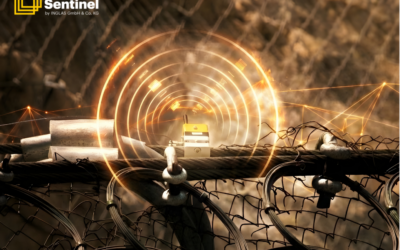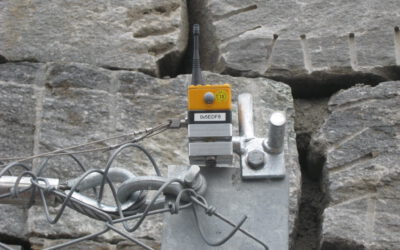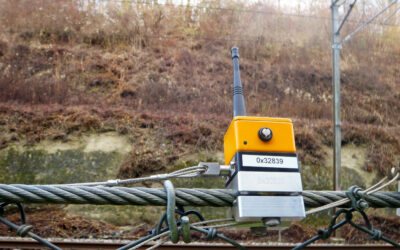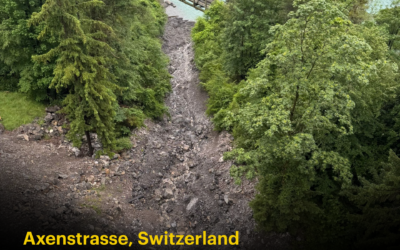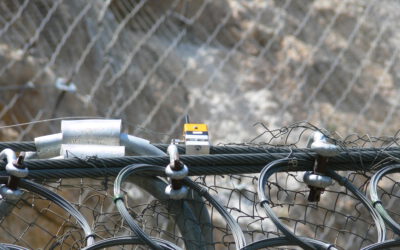
Overview Not every hazard requires a high-energy rockfall barrier—but even low-energy fences can face regular stress from smaller events such as debris flows, shallow slides, or minor rock impacts.Monitoring these systems ensures they remain functional and efficient...
INGLAS BLOG
Rockfall Detection Compared: Impact Sentinel vs Radar, Fibre Optic & LiDAR
Rockfalls, landslides, and slope failures are increasing across Europe as climate change accelerates extreme rainfall, freeze–thaw cycles, and weather instability. For railways, mountain roads, hydro installations, and public infrastructure, reliable rockfall...
Real-Time Monitoring of Wall Stability and Degradation
Monitoring Tunnel Wall Stability on the Old Gotthard Line The old Gotthard mountain route remains one of Europe’s most historically significant rail corridors. More than a century after its construction, sections of the alignment continue to operate through narrow...
Real-Time Rockfall Monitoring of Low-Energy Incidents
Even minor rockfall events can weaken protective barriers and cause costly downtime. The Impact Sentinel system continuously monitors low-energy impacts, helping operators move from reactive repairs to predictive maintenance across rail, road, and alpine infrastructure.
Rockfall Monitoring in Remote Areas
Long-Distance Communication: Rockfall Monitoring in Real Time Overview Many hazard zones—such as Rockfall & Landslides, especially in alpine or isolated regions—are difficult to reach and challenging to maintain.For these locations, reliable remote monitoring is not...
Rockfall Monitoring on Steep-Angled Barriers
Some segments of Switzerland’s Gotthard railway corridor pass through exceptionally steep terrain where traditional protective measures are difficult—if not impossible—to install. One such section required the construction of a 90-degree vertical rockfall barrier, positioned directly above a tunnel entrance.
The goal: to stop falling debris before it could reach the tracks below. But the vertical nature of the installation introduced complex safety and logistical challenges—both during setup and ongoing maintenance.